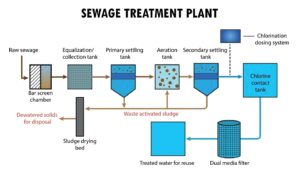
For most people, the wastewater treatment process ends the moment they flush the toilet. This “flush and forget” mentality masks a complex, critical infrastructure that is currently facing all sorts of challenges.
Modern Wastewater Treatment Plants are the silent guardians of public health and environmental stability. However, they are battling issues ranging from crumbling century-old infrastructure to microscopic chemical enemies that traditional technology cannot touch.
Here is an in-depth look at the most pressing problems facing wastewater treatment plants today.
The Aging Infrastructure Crisis
The single most expensive and dangerous problem facing the industry is the age of the systems themselves. In many developed nations, the underground network of collection pipes was laid 50 to 100 years ago.
- Inflow and Infiltration: As pipes crack due to age or tree root intrusion, groundwater seeps in (infiltration) and stormwater flows in through illegal connections (inflow). This dilutes the sewage, making biological treatment less efficient, and overwhelms the plant’s capacity.
- The “Silver Tsunami” of Equipment: Inside the plants, concrete tanks are corroding, and mechanical pumps installed in the 1970s and 80s are reaching the end of their useful life. Replacing this infrastructure requires capital investments in the trillions globally.
Emerging Contaminants:
Most existing WWTPs were designed decades ago to treat conventional pollutants: human waste, toilet paper, and food scraps. They were not designed to filter the complex synthetic chemicals we now use daily.
- Forever Chemicals: Substances found in non-stick cookware and waterproof clothing do not break down naturally. They pass through treatment plants virtually untouched, ending up in our waterways or the sludge used for fertilizer.
- Pharmaceuticals: Antibiotics, hormones, and antidepressants are discharged by humans and enter the sewer system. Even in trace amounts, these can disrupt aquatic ecosystems and contribute to antibiotic-resistant superbugs.
- Microplastics: While plants catch large debris, microscopic fibers from synthetic clothing (released during washing) often slip through filtration screens, eventually entering the ocean.
Energy Consumption and Carbon Footprint
Wastewater treatment is incredibly energy intensive. It is estimated that water and wastewater treatment accounts for 2% to 4% of a nation’s total electricity consumption.
The biggest energy hog is aeration. Bacteria need oxygen to break down organic matter. To provide this, plants use massive blowers to pump air into treatment tanks 24/7.
- The Paradox: Plants are striving to be “green” by cleaning water, but their heavy reliance on fossil-fuel-generated electricity creates a significant carbon footprint.
- The Struggle: While many plants are moving toward energy neutrality by harvesting methane from sludge to generate their own power, retrofitting these systems is expensive and technically complex.
Sludge Management
When you separate the clean water from the waste, you are left with a semi-solid byproduct called sludge. Handling this material represents a massive logistical and financial headache.
- Disposal Costs: You cannot just dump it. It must be treated to remove pathogens.
- The Land Application Dilemma: Historically, treated biosolids were sold as nutrient-rich fertilizer for farms. However, fears regarding forever chemicals contamination in the sludge are causing governments to ban land application.
- Result: Plants are forced to landfill or incinerate the sludge, skyrocketing operational costs and increasing emissions.
Combined Sewer Overflows and Climate Change
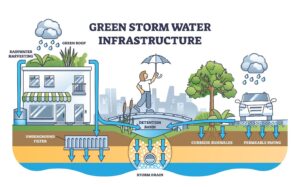
Many older cities use “Combined Sewers,” where stormwater and raw sewage share the same pipe. Under normal conditions, this works fine. However, climate change has brought about more frequent, high-intensity rain events.
- The Overflow: When it rains hard, the volume of water exceeds the pipe’s capacity. To prevent sewage from backing up into homes, the system is designed to “overflow” into the nearest river or lake.
- The Consequence: Millions of gallons of untreated raw sewage and stormwater are released into public waterways.
- The Fix: Separating these sewers or building massive underground storage tunnels costs billions and takes decades to complete.
The Nutrient Standard
Environmental regulations are becoming stricter, particularly regarding Nitrogen and Phosphorus. When these nutrients enter bodies of water, they cause toxic algae blooms that kill fish and suffocate aquatic life.
Regulators are imposing incredibly low limits on nutrient discharge. Achieving these standards requires:
- Adding expensive chemicals.
- Building tertiary treatment phases (like membrane bioreactors).
- Massive increases in operational complexity.
The Workforce
The wastewater industry is facing a severe labor shortage.
- Retirement: A large percentage of certified operators are approaching retirement age. These veterans possess understanding of how their specific plant behaves—that isn’t written in manuals.
- Recruitment: The industry struggles with a branding issue. It is difficult to attract young talent to a field associated with sewage, despite the high-tech nature of modern water resource recovery.