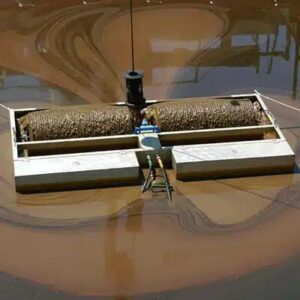
Water and oil don’t mix—at least, not naturally. But in many industries, they end up together anyway through daily operations, equipment uses, and runoff. An oil water separator system is designed to solve this problem by separating oil, grease, and petroleum-based fluids from water before the water is reused, treated, or discharged. These systems play a critical role in protecting the environment, keeping equipment running smoothly, and helping businesses comply with regulations. Below are seven industries where oil water separators are commonly used.
Automotive and Transportation
The automotive industry is one of the most common users of oil water separator systems. Oil-contaminated water comes from vehicle washing bays, repair shops and service garages, parking lots and maintenance yards. Oil, fuel, transmission fluid, and grease can easily wash off vehicles and end up in wastewater. Oil water separators remove these contaminants before the water reaches the sewer system or storm drains, helping prevent environmental pollution and clogged pipes.
Manufacturing and Industrial Facilities
Many manufacturing plants use heavy machinery that relies on oils and lubricants. Common sources of oil in water include machine washdown water, cooling, cutting fluids, and hydraulic system leaks. Oil water separators help keep oily wastewater under control, protecting downstream treatment systems and reducing wear on pumps and filters. They also help facilities meet discharge requirements set by local authorities.
Food Processing and Commercial Kitchens
While food facilities aren’t dealing with motor oil, they still produce large amounts of oil and grease. Typical applications include meat and poultry processing plants, commercial kitchens, cafeterias, and food packaging facilities. In these environments, oil water separators often work alongside grease traps to remove fats, oils, and grease (FOG) from wash water. This helps prevent sewer backups and reduces strain on municipal wastewater treatment plants.
Oil & Gas Industry
In the oil and gas sector, separating oil from water is a daily necessity. Common uses include produced water from drilling operations, refinery wastewater, equipment cleaning and maintenance. Oil water separators allow companies to recover usable oil while safely managing large volumes of contaminated water. These systems are essential for environmental protection and regulatory compliance in a highly regulated industry.
Marine and Shipping
Ships and ports deal with oily water constantly, especially in engine rooms. Typical applications are bilge water treatment on vessels, port and dock facilities, ship maintenance yards. International maritime regulations require oily water to be treated before discharge. Water oil separators ensure ships can operate legally while protecting oceans, harbors, and coastal ecosystems.
Power Generation Facilities
Power plants—whether fossil fuel, nuclear, or renewable—often use large amounts of lubricated equipment. Sources of oil-contaminated water include turbine lubrication systems, equipment cooling systems, and maintenance washdowns. Oil water separators help protect cooling water systems and prevent oil from entering surface waters or wastewater treatment facilities, supporting both plant efficiency and environmental responsibility.
Airports and Aviation
Airports function like small industrial cities, and aviation operations involve significant fuel and oil use. Common problem areas include aircraft maintenance hangars, runways and tarmacs, fuel storage and loading areas. Rainwater runoff and wash water can pick up jet fuel, hydraulic fluid, and oil. Oil water separators are used to treat this water before it enters storm drains or municipal systems, reducing pollution risks and fire hazards.