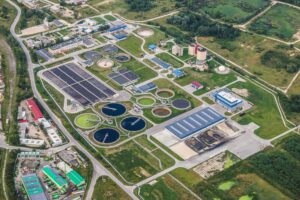
Wastewater treatment efficiency and reliability depend on many intertwined factors. Design and infrastructure—including plant type, capacity, layout, and redundancy—set the foundation for performance. Operational conditions such as flow variability, influent quality, maintenance practices, and staffing levels determine how well the plant meets demand. Treatment processes span primary settling, biological or secondary treatment, tertiary polishing, disinfection, and sludge handling, each with its own mechanisms and efficiencies. Advanced monitoring and control systems, including sensors, automation, and data analytics, allow operators to optimize performance and identify issues early. External drivers such as climate impacts, industrial loading, and increasingly strict regulations—such as nutrient limits and permit requirements—add further complexity. Economic pressures, including tariffs and funding availability, influence budgets and capital investment. Strong management practices, including asset management, risk planning, and emergency response, help maintain resilience. At the same time, sustainability goals are pushing facilities toward improved energy efficiency and reduced greenhouse gas emissions.
In summary, system efficiency is measured by effluent quality, resource and energy use, and operational uptime, with common failure modes including hydraulic overloads, equipment failures, and compliance violations.
Design and Infrastructure
Plant types and layout.
Treatment systems can be activated-sludge plants, trickling filters, lagoons, membrane bioreactors, etc. Each has trade‑offs in cost, footprint, and performance. For example, conventional activated sludge uses large aeration basins and clarifiers, while MBRs trade higher capital for a much smaller footprint and higher effluent quality. Designs must match local needs, for example, colder climates may require outdoor process lines to be heat traced. Influent characterization is crucial at design stage.
Capacity and redundancy.
Plants are sized for peak flows and future growth. Under sizing can cause frequent bypasses or overflows, while extreme overdesign wastes capital. Redundancy—such as parallel units including multiple aeration trains, pumps, and blowers—helps maintain operations during maintenance or peak loading conditions. Many designs incorporate N+1 redundancy for critical equipment like pumps and blowers to ensure reliability in the event of a failure.
Key performance metrics include hydraulic capacity expressed in MGD or cubic meters per day, organic and nutrient removal rates such as percent BOD and TSS removal, effluent concentrations measured in mg/L, and overall energy consumption.
Common failure modes include hydraulic short-circuiting, carryover of grit or solids, and leaks associated with aging infrastructure. These issues are typically mitigated through the use of equalization tanks to buffer peak flows, properly designed screening and grit removal systems, and routine inspection and maintenance of tanks and structures.
Operational Factors
Load variability and influent characteristics.
Wastewater flow and influent strength vary daily, seasonally, and with weather conditions, and these fluctuations can place significant strain on treatment systems. Peak flows and sudden industrial discharges may disrupt biological processes, so operators rely on real-time monitoring of flows and loading conditions while using equalization tanks or temporarily adjusting treatment intensity to maintain stability.
Maintenance and staffing
Effective operation also depends on well-trained staff who follow standard procedures and maintain equipment proactively. Preventive maintenance programs for pumps, blowers, mixers, and piping help reduce unplanned outages, while inadequate maintenance or lack of spare parts can lead to performance losses such as reduced blower efficiency or leaks from corroded infrastructure.
Failure and Mitigation Modes
Common failure modes include equipment issues like pump burnout, clogging, or motor failure, all of which can cause process upsets or unintended discharges. These risks are managed through alarms, routine inspections, and contingency measures such as backup generators to address power loss. Additional mitigation strategies include maintaining redundancy in critical equipment, keeping essential spare parts on hand, and implementing operational adjustments, such as bringing reserve clarifiers online, during periods of high influent loading.
Process Technologies
Primary treatment includes screening and grit removal, both of which are essential to prevent downstream clogging and protect equipment. Physical clarification through sedimentation removes settleable solids, typically capturing around 50% of suspended solids, with performance measured by the percentage of TSS removed. When removal is incomplete, such as in cases of malfunctioning scrapers, excess solids are carried over to secondary treatment, increasing the load on downstream processes. To improve efficiency, especially in space-constrained facilities, technologies such as lamella clarifiers and high-rate clarifiers can be implemented to enhance solids removal within a smaller footprint.